

Chronic Dry Eye Treatment at Dau Family Eye Care
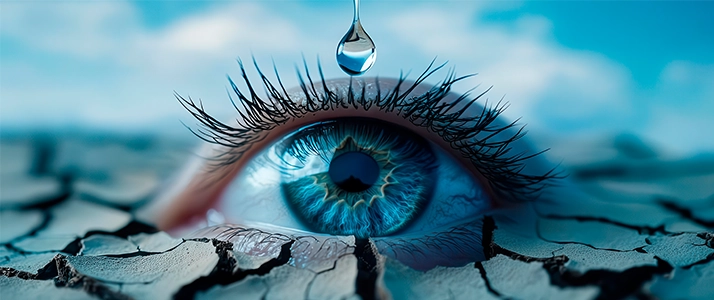
At Dau Family Eye Care, we understand how frustrating it can be to deal with the symptoms of dry eye. Whether you experience persistent irritation, burning, scratching, a gritty/sandpaper sensation, or your eyes are flooded intermittently by tears that sting or burn, we can help. We are dedicated to helping our patients throughout the Saint Johns FL and Fruit Cove FL treat the root cause of their dry eye to resolve symptoms for lasting relief. By partnering with Envision by InMode, Alma Opus, and Optase, we can offer a variety of treatment options for all patients.
If you have not had your eyes checked recently, we recommend starting with a Comprehensive Exam with Dr. Jennifer Balo, Dr. Ariella Erin Poon, or Dr. Jordan Dau at either of our locations. This comprehensive evaluation allows us to build a customized care plan designed for your specific needs and long-term ocular health. For in office treatments using devices from InMode or Alma, we recommend a consultation appointment with our Specialty Programs Coordinator. Email us at specialty@daufamilyeyecare.com if you would like more information or to get scheduled!
What is the 20/20/20 Rule?
The 20/20/20 rule is easy to implement and recommended for everyone who uses screens.
- For every 20 minutes you spend looking at a screen, find a point 20 feet away and look at it for 20 seconds. We also recommend adding 20 complete blinks (make sure your upper and lower eye lid make contact – this is what stimulates tear production!)
When we look at a screen that is emitting blue light, we go from 15+ complete blinks a minute to 6 incomplete blinks, on average. This can create and also exacerbate dry eye symptoms.
Common Symptoms of Dry Eye Syndrome and Meibomian Gland Dysfunction
The symptoms of dry eye can range from mild, occasional irritation to severe, constant discomfort that impacts your daily activities. If you regularly experience any of the following, we recommend scheduling an evaluation:
- A persistent feeling of dryness, grittiness, or scratchiness, like sand is in your eye
- Burning or stinging sensations
- Redness or inflammation of the eyes
- Excessive watering or tearing
- Blurred or fluctuating vision, especially when reading or driving
- Sensitivity to light (photophobia)
- Discomfort while wearing contact lenses
- Eye fatigue, particularly after using digital screens
Untreated chronic dry eye can, in some cases, lead to damage on the corneal surface, increase the risk of eye infections, and impair your vision.
Understanding Dry Eye Syndrome and Meibomian Gland Dysfunction (MGD)
Dry Eye Syndrome, also known as dry eye disease, is a common and often chronic condition that occurs when your eyes do not produce enough quality tears, or when the tears evaporate too quickly. Meibomian Gland Dysfunction (MGD) is when we can identify that the root cause of the issue is your meibomian glands.
Tears are essential for maintaining the health of the front surface of your eye (the cornea) and for providing clear vision. A healthy tear film is complex, consisting of three distinct layers:
- An Oily (Lipid) Layer: The outermost layer, produced by the meibomian glands in your eyelids. It smooths the tear surface and prevents tears from evaporating.
- A Watery (Aqueous) Layer: The middle layer, produced by the lacrimal glands. This layer washes away debris and nourishes the cornea.
- A Mucus (Mucin) Layer: The innermost layer. It helps spread the watery layer evenly over the eye's surface and helps the tears "stick" to the eye.
When your meibomian glands are clogged and truncated, it inhibits their ability to produce tears with a quality lipid layer, and your tear break up time (TBUT) decreases, causing dry eye symptoms to occur. This leads to inflammation, irritation, and potential damage to the eye's surface.
What Causes Dry Eye Syndrome?
Understanding the potential causes of your dry eye is the first step toward effective treatment. The condition is often multifactorial, meaning several factors may contribute at once. Our doctors will conduct a detailed consultation to review these factors with you.
Age and Hormonal Factors
- Aging: Tear production naturally decreases as we get older. Dry eye is particularly common among individuals over 50.
- Hormonal Changes: Fluctuations related to pregnancy, menopause, or the use of oral contraceptives can disrupt the tear film's balance. Environmental and Lifestyle Factors
- Climate and Environment: Exposure to wind, smoke, dry air (from air conditioning or heating), and high altitudes can increase tear evaporation.
- Digital Screen Use: Prolonged time spent on computers, smartphones, or tablets often leads to infrequent blinking, which causes dryness and irritation.
- Contact Lens Wear: Long-term or improper wear of contact lenses can contribute to or worsen dry eye symptoms.
Medical and Surgical Factors
- Medications: Many common medications can reduce tear production as a side effect. These include antihistamines, decongestants, antidepressants, acne medications, and certain blood pressure medicines.
- Health Conditions: Dry eye is strongly linked to autoimmune diseases such as Sjögren syndrome, rheumatoid arthritis, and lupus. Other conditions like diabetes and thyroid disorders can also play a role.
- Previous Eye Surgery: Procedures like LASIK can sometimes cause temporary or, in rare cases, chronic disruption to tear production.
Getting Diagnosed:
At Dau Family Eye Care, diagnosing chronic dry eye involves more than a simple check-up. We utilize advanced techniques to evaluate your tear film and ocular surface health, helping us identify the specific type of dry eye you may have (evaporative, aqueousdeficient, or mixed).
Your evaluation may include:
- Comprehensive Tear Analysis: We measure tear volume and stability.
- Ocular Surface Staining: Special dyes highlight dryness and damage on the cornea and conjunctiva.
- Meibomian Gland Evaluation: We assess your eyelids and oil-producing glands for blockages.
- Detailed Medical History: We review your medical history, medications, and environmental factors that may be affecting your symptoms.
These tests provide a thorough understanding of your condition, enabling us to create an effective, long-term relief plan.
How do we treat Dry Eye at Dau Family Eye Care?
How we treat depends on the root cause and severity of your symptoms.
For mild cases, we recommend the use of a hot compress, preservative free artificial tears, and implementation of the 20/20/20 rule. For the hot compress we recommend daily use of the Optase Moist Heat Mask. Optase Dry Eye Intense Drops, Optase Allegro, or Optase HyloNight may be recommended for temporary symptom relief as well. All these products are available for purchase at either of our offices.
For more severe cases, we recommend in office dry eye treatments. We have partnered with InMode to bring you the Envision system, as well as with Alma to bring you the Opus system. Utilizing these tools, we can target and treat Meibomian Gland Dysfunction at the source.
- From Envision by Inmode, the Forma-I is a bipolar radiofrequency treatment that uses bulk heating to stimulate collagen and gland production while loosening and softening gland blockages for extraction.
- From Envision by Inmode, the Lumecca and Lumecca-I are intermittent pulse light (IPL) therapies that target pigmented lesions on and under the skin and stimulate gland production.
- The Alma Opus focus tip is monopolar radiofrequency which can be applied directly to the treated area.
- In cases of poor lid adhesion due to excess skin in the upper eyelid area, the Alma Opus Colibri can be used for a non-surgical eyelift to tighten the skin and relieve symptoms.
- Meibomian Gland Expression is a manual clearing of the blockages in the glands to allow for more substantial tear production. This is performed by one of our technicians following any of the above treatments.
Meet The Doctors
Dr. Jordan Dau, OD
Dr. Dau founded Dau Family Eye Care in 2017 with a vision for a family-focused practice dedicated to clinical excellence. With a background in Biosystems Engineering and a doctorate from the Southern College of Optometry, his key focus areas include ocular disease management, specialty contact lens fitting, and advanced technologies such as Myopia Control and Neurolens. He combines technical expertise with a compassionate approach, ensuring each patient receives a treatment plan tailored to their individual needs..
Dr. Jennifer Balo, OD
Dr. Balo earned her Doctor of Optometry degree from the Illinois College of Optometry in 2015. She is highly skilled in primary care, pediatric vision, contact lenses, and the management of ocular disease. Dr. Balo has also participated in international medical mission trips, providing care to underserved populations and demonstrating her commitment to improving vision for all.
Dr. Ariella Poon, OD
Dr. Poon completed her undergraduate studies at Nova Southeastern University and earned her Doctor of Optometry degree from the Pennsylvania College of Optometry in 2023. She has a special interest in pediatric eye care, vision therapy, and specialty contact lenses, including scleral lenses and orthokeratology (Ortho-K). Originally from the Philippines, Dr. Poon is known for her warmth, compassion, and dedication to providing exceptional patient care.
Schedule Your Appointment
If you are struggling with dry eye symptoms, you do not have to live with the discomfort. Contact Dau Family Eye Care to schedule your comprehensive dry eye evaluation. We serve patients from our two convenient locations in Saint Johns, FL and Fruit Cove FL
Schedule your consultation today by calling (904) 713-2040.